




Alumni’s Talk #3: Optimizing pharmaceutical drug commercialization strategies
In Alumni’s Talk #3, Dr. Hasan Donat shows how smarter commercialization strategies help pharma firms bring innovative therapies to patients ethically and effectively.
From Research to Real-World Impact: Optimizing Strategies for Pharmaceutical Drug Commercialization
The pharmaceutical industry is one of the most dynamic and challenging fields in healthcare.
It is a sector where scientific innovation meets strict regulatory requirements, high financial stakes, and, most importantly, patient needs. My doctoral research at Geneva Business School, “Optimizing Strategies for Pharmaceutical Drug Commercialization to Enhance Patient Outcomes,” explored how companies can navigate this complex environment to bring life-changing therapies to patients more effectively and ethically.
The Challenge of Commercialization
Developing a new pharmaceutical drug can take more than a decade and cost billions of euros. However, developing a drug is only part of the path, bringing it to patients is another challenge. Once approved, a drug must successfully reach the market: a stage where strategic planning, effective marketing, and strong relationships with healthcare professionals (HCPs) play a pivotal role.
The challenge is balancing three essential dimensions:
- Commercial viability: ensuring the company can sustain innovation and growth.
- Ethical standards: safeguarding patient safety and compliance with regulations.
- Patient outcomes: making sure that therapies truly reach and benefit those who need them.
My research set out to answer a central question: How can pharmaceutical companies develop and execute business strategies that achieve commercial success while maximizing patient outcomes and adhering to high ethical standards?
Research Approach
To address this, I used a mixed-methods approach:
- Qualitative interviews with pharmaceutical experts and physicians to capture insights from the field.
- Quantitative surveys with over 100 physicians worldwide to analyse prescribing behaviours and perceptions of marketing strategies.
This combination allowed me to identify both the structural strategies that companies adopt and the human factors such as trust, education, and collaboration that influence outcomes.
Key Findings
- Collaboration Drives Success
One of the strongest findings was the importance of interdepartmental collaboration. Marketing, medical and sales teams must work closely, not as separate entities, to deliver consistent messages and strategies. When aligned, these teams can optimize resources, strengthen relationships with HCPs, and accelerate patient access to therapies.
- Market Access and Pricing Strategies Matter
Even the most innovative therapy cannot succeed without proper market access. Strategic pricing that balances affordability with financial viability is essential. Reimbursement negotiations with payers must demonstrate not only cost-effectiveness but also the broader value for healthcare systems and patients.
- Building Relationships with Healthcare Professionals
Physicians remain central decision-makers in prescribing. My research confirmed that trust-based relationships with HCPs are one of the most effective ways to improve adoption of new therapies.
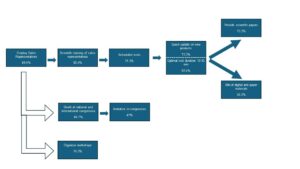
Figure 1: Strategies for enhancing relations with HCPs
Educational initiatives such as medical congresses, workshops, and scientific publications were particularly influential. This analysis assesses the efficiency of five distinct marketing strategies using a scoring system from 1 (not effective) to 5 (very effective).
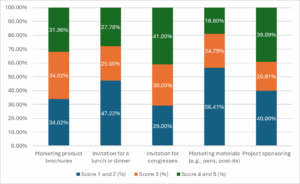
Figure 2: Effective marketing strategy
- Ethical Marketing is the Future
Historically, pharmaceutical marketing has been criticized for aggressive or opaque practices. However, the shift toward patient-centric and transparent strategies is reshaping the field. Physicians in my study responded more positively to interactions grounded in education, scientific evidence, and respect for professional autonomy.
- Digital Transformation Cannot Be Ignored
While traditional sales representative visits remain important, digital strategies are becoming indispensable. Online platforms, webinars, and tailored digital content are increasingly valued by HCPs. A hybrid approach combining personal interactions with digital tools proved to be the most effective.
Professional Reflections
This research was not only academic, but it was also personal. Having worked for years in the pharmaceutical industry, I witnessed firsthand the challenges of launching innovative drugs in Switzerland. During my career, I combined my scientific background in clinical research with business expertise from my DBA studies.
One of the proudest achievements was helping transform the French-speaking region of Switzerland from the lowest-performing sales area into the country’s leader within less than two years. This success was not just about numbers. It was about building genuine trust with key opinion leaders, ensuring physicians had access to the latest scientific knowledge, and positioning the company as a reliable partner in women’s health.
These experiences shaped my research and confirmed that commercial strategies are not abstract theories; they directly influence whether patients receive timely, effective treatments.
Implications for the Industry
My thesis highlights several strategic priorities for pharmaceutical companies:
- Enhance cross-functional collaboration between R&D, marketing, medical and sales to streamline commercialization.
- Adopt balanced pricing models that ensure both affordability for patients and sustainability for companies.
- Invest in continuous education for healthcare professionals, focusing on science and patient outcomes rather than aggressive promotion.
- Embrace hybrid marketing approaches, combining traditional sales visits with digital engagement.
- Embed ethics at every step, recognizing that long-term trust is built on transparency and patient-centeredness.
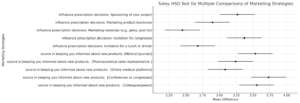
Figure 3: Tukey HSD Test for Multiple Comparisons of Marketing Strategies
Lessons from My DBA Experience
The DBA program at Geneva Business School significantly shaped both my professional and personal growth. Balancing full-time professional responsibilities with doctoral research was not easy, but it allowed me to apply theory directly to practice. The program taught me how to think strategically, analyse complex problems, and design solutions that are both academically rigorous and practically relevant.
Most importantly, it reminded me that business is not only about profits. In healthcare, every strategic decision has human consequences. A successful commercialization strategy is not one that maximizes short-term revenue, but one that ensures innovations reach the patients whose lives depend on them.
Conclusion
Pharmaceutical commercialization is complex, but it is also an extraordinary opportunity to create impact. By aligning business strategy with ethics and patient needs, companies can achieve sustainable success while making a meaningful difference in public health.
As I reflect on my DBA journey, I see this research as both a professional milestone and a personal commitment. It is my hope that these insights will inspire future leaders in the pharmaceutical industry to pursue strategies that combine innovation, ethics, and patient-centred care.
About the Author

Dr. Hasan Donat is an expert in pharmaceutical commercial strategies with a foundation in research and drug development. He holds a Doctorate of Business Administration (DBA) from Geneva Business School. His career spans from leading international clinical trials to driving success in senior commercial roles. This diverse experience gives him a comprehensive understanding of the entire product life cycle, which he applies to develop impactful strategies that enhance business growth and patient outcomes.